300
What 300 Conversations Taught Us About Retail’s Relentless Now
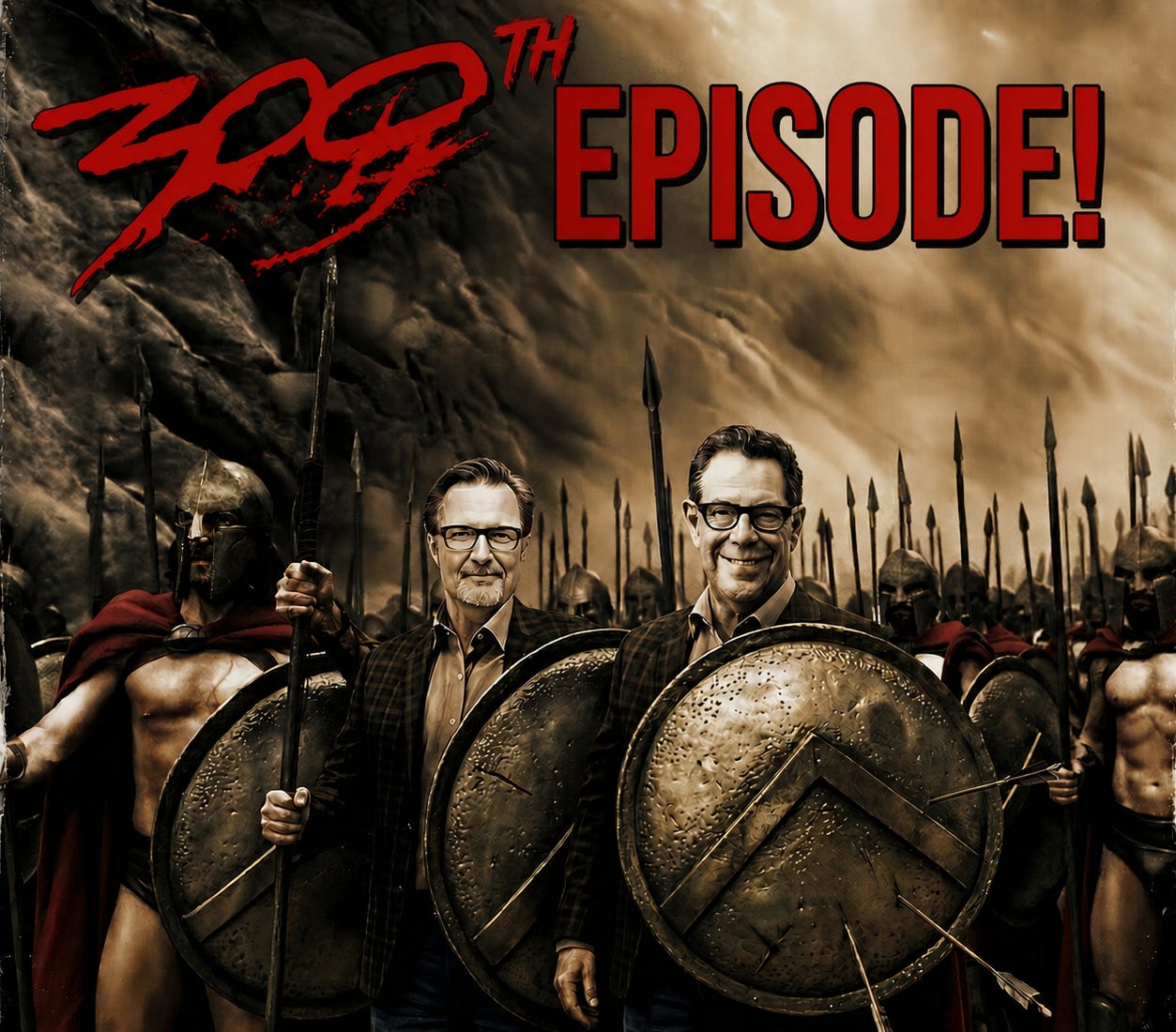
Earlier this week, Michael LeBlanc and I dropped our 300th episode of the Remarkable Retail Podcast. When we launched in the fall of 2020, I wasn’t sure our little Covid project would make it to 30.
Podcasting is a long game and most shows don’t survive their first season. The ones that do often drift, chasing trends, recycling hot takes, becoming a vehicle for guests to flog their books, latest SAAS solution, or AI start-up. Others lose their authenticity as they serve sponsors, not the audience.
Five years, twelve seasons, 300 episodes later, we’ve stayed obsessed with the same question we started with: what actually separates remarkable retail from the vast sea of sameness? The answer keeps evolving, and that’s largely why we keep at it.
Here’s what doing this for half a decade has seared into my brain.
The Conventional Wisdom Is Frequently Wrong
“Stores are dead.” “Physical retail is back.” “Amazon wins everything.” “DTC is the future.” “The Metaverse is about to change everything.” “It’s all about experience.” “It’s all about convenience.” “It’s all about seamless.”
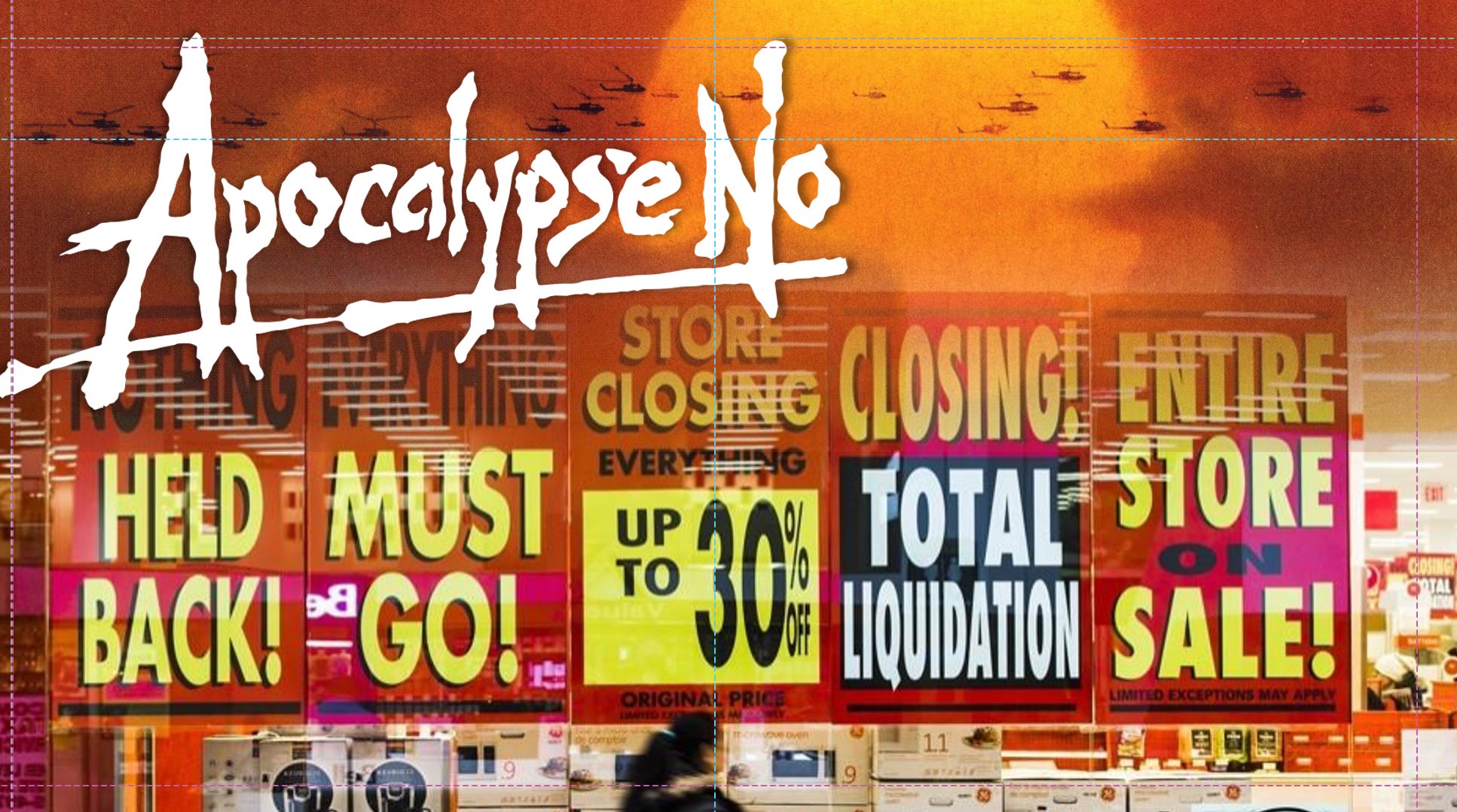
We’ve watched every one of these narratives rise, get weaponized by consultants and breathless trade press, take center stage at conferences, and then quietly fall apart under the weight of actual evidence.
The truth is typically messier and less convenient than the consensus view. Retail rewards nuance and punishes sloganeering. And yet the slogans keep coming.
Part of what we’ve tried to do, week in, week out, is slow the narrative down just enough to ask: is this actually true, or does it just feel true right now?
The honest answer is usually somewhere in between, which makes for a less satisfying headline but a far more useful place from which to make decisions that matter.
The Best Leaders Ask Better Questions
Our most memorable guests weren’t the ones with the most polished talking points or a regurgitation of an investor presentation.
They were the ones genuinely wrestling with hard problems in public — comfortable enough in their own strategic skin to say “we don’t have this fully figured out yet” while still having the conviction to take the leaps they must to stay relevant.
That kind of intellectual honesty is rarer than it should be at the C-suite level.
The leaders who’ve impressed me most share one trait: they’re more interested in understanding the problem correctly than in being seen to have all the answers. The ones who arrive already certain tend to be the ones we’re dissecting a year or two later, and usually not in a very flattering way.
Most Retail Struggles Are Strategy Problems, Not Execution Problems
This might be the single most durable thing five years of conversation has reinforced: the brands in trouble almost always saw it coming.
The department stores saw Amazon, TJX, and Sephora. Legacy grocers saw Aldi, Trader Joe’s, and Sprouts. Mid-market apparel brands witnessed the squeeze develop from both ends for many, many years.
And yet they mostly sat around and watched the last twenty years happen to them.
What they lacked wasn’t information. It was the will to act before the crisis forced their hand.
Real transformation means cannibalizing what’s working today to build what you’ll need tomorrow. It means making bold leaps when incremental steps feel safer and more defensible to your board.
Most organizations resist this until they have no choice.
And by then the window for a genuine turnaround has usually closed considerably more than they’d like to admit. We’ve said some version of this on the show more times than I can count.
Retail Is a Human Business
This is the thread that runs through most conversations worth having on the show.
The technology changes. The channels multiply. Consumers keep surprising the most confident forecasters.
But many of the brands we’ve showcased — Vuori, Tecovas, Warby Parker, to name a few — keep finding ways to make people feel something: seen, served, connected, delighted, occasionally genuinely surprised.
They understand the soul of their store and work to deliver a true sense of meaning and belonging for their customers.
They know that real joy is different than mere satisfaction.
The ones that outsource that responsibility to an algorithm or a cost-reduction initiative tend to show up in our zone-of-irrelevance analysis eventually.
This isn’t nostalgia, and I am most definitely not anti-technology. It’s just a recognition that the reason people shop — not just transact — is fundamentally and irreducibly human.
The difference between those two things, and what’s at stake when we collapse them into one, is something I’ve been thinking hard about lately.
Much more on that soon.
And. yet protecting that distinction, even as everything else accelerates, may be the defining strategic challenge of the next decade.
A Moment of Gratitude
Thank you for listening, sharing, and pushing back. None of this works without an audience willing to take ideas seriously.
Thanks as well to our amazing guests. We’ve been fortunate to have far more retail CEOs and founders on the show than any other pod.
Extra special thanks to Michael—my brother from another mother—for all he does to make the show happen and for putting up with (most of) my nonsense.
🎧 Listen to Episode 300 here—and if you’ve been meaning to add to our string of 5-star reviews what better time than now?
QUICK HITS
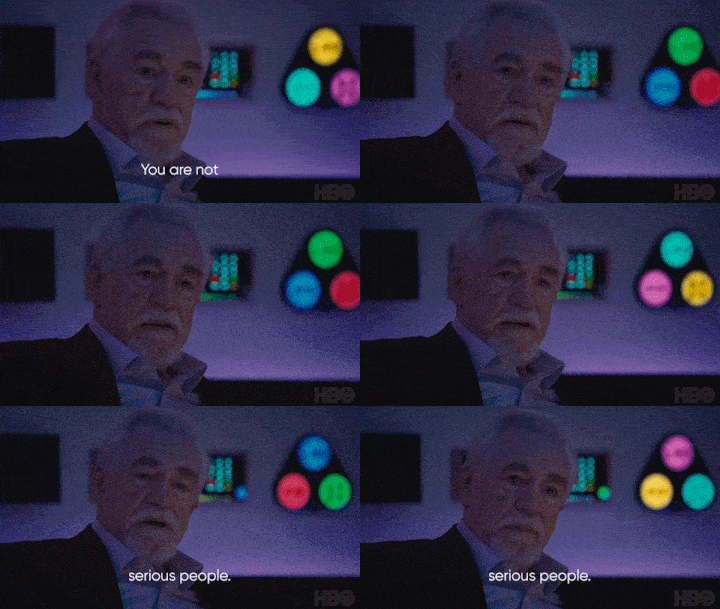
Ryan, I Love You, But You Are Not a Serious Person
I was pretty sure the Allbirds becoming an AI platform would be the dumbest retail story of the year, but I was wrong.
Let me put the facts on the table, because they deserve to be savored slowly.
GameStop’s market value is about $11 billion. GameStop has offered $125 per share in cash and stock for eBay, at roughly a 20% premium, valuing the deal at approximately $56 billion. GameStop has $9 billion in cash and another $20 billion in debt financing from TD Bank.
Now I’m not great at arithmetic but I’m pretty sure that doesn’t comes anywhere close to the $56 billion on offer. The math isn’t mathing.
But wait, it gets better.
Having lobbed this grenade into the financial press on a Sunday, GameStop CEO Ryan Cohen went on CNBC’s Squawk Box Monday morning to explain himself. What followed was remarkable television. When asked whether he’d had any conversations with eBay, there’s a deeply awkward pause before Cohen, in his mid-life-crisis black leather jacket, says “…No.” Then after another glacial pause, “We’re just starting.”
Andrew Ross Sorkin pressed Cohen on the financing, noting that GameStop’s market cap is nowhere near $56 billion and asking him to walk through how the math could possibly work. Cohen’s answer was “Half cash, half stock.” Then he said it again. Then he appeared to get stuck in a loop, like a glitchy, sleepy robot.
When Becky Quick pressed further, Cohen snapped: “I don’t understand your question,” followed by an awkward silence.
The plan, as articulated in the press release, is to slash $2 billion from eBay’s cost structure in year one and use an “entrepreneurial mindset” to make it a “legit competitor to Amazon.”
Amazon, the company with 200 million Prime subscribers, its own logistics network, and a 30-year head start? That Amazon?
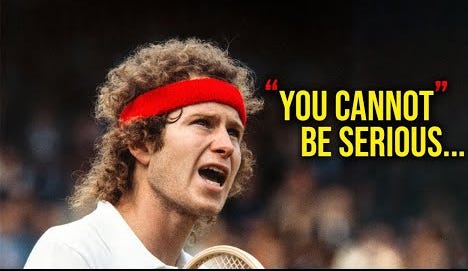
But it was Michael Santoli’s question that cut to the bone: “Where’s the evidence that you know how to grow a mature consumer business?”
Ouch.
Chewy was a startup Cohen built from scratch. GameStop has been, by any honest assessment, an empty shell dressed up as a turnaround.
The meme stock faithful may be cheering. But this is what it looks like when a business story stops being a business story and becomes performance art for an online fandom.
ON THE POD
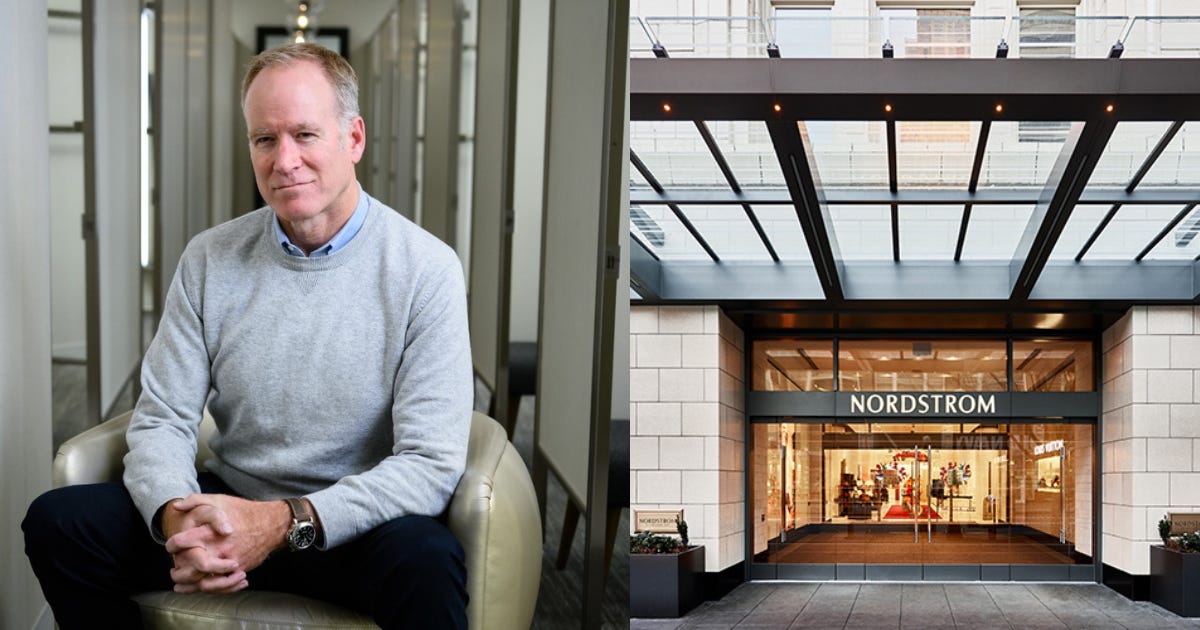
On this week’s big milestone episode of the Remarkable Retail Podcast our guest is Nordstrom Co-CEO Pete Nordstrom.
We sit down with one of retail’s most respected executives for a rare, candid conversation — tracing Pete’s journey from the stockroom to the corner office, and looking ahead at what’s next for one of North America’s most iconic retailers.
Listen here or watch on our YouTube channel.
WHERE IN THE WORLD IS STEVE?
I’m excited to share that I’m speaking at the CommerceNext Growth Show this June 23-24 in NYC! In fact, I’ll be kicking things off on Day 1 with Tractor Supply Company’s CMO Kimberley Sweet Gardiner.

The Growth Show is where retail’s best come together to connect, learn and share what’s working (and what’s not), all in the heart of retail: NYC.
You can attend my session by registering today. Retailers and brands get FREE tickets and all others will save 10% on General Admission registration by using my special code “REMARKABLE” at checkout. Go here for more info and to secure your spot.